
First published: here | 17 February 2026
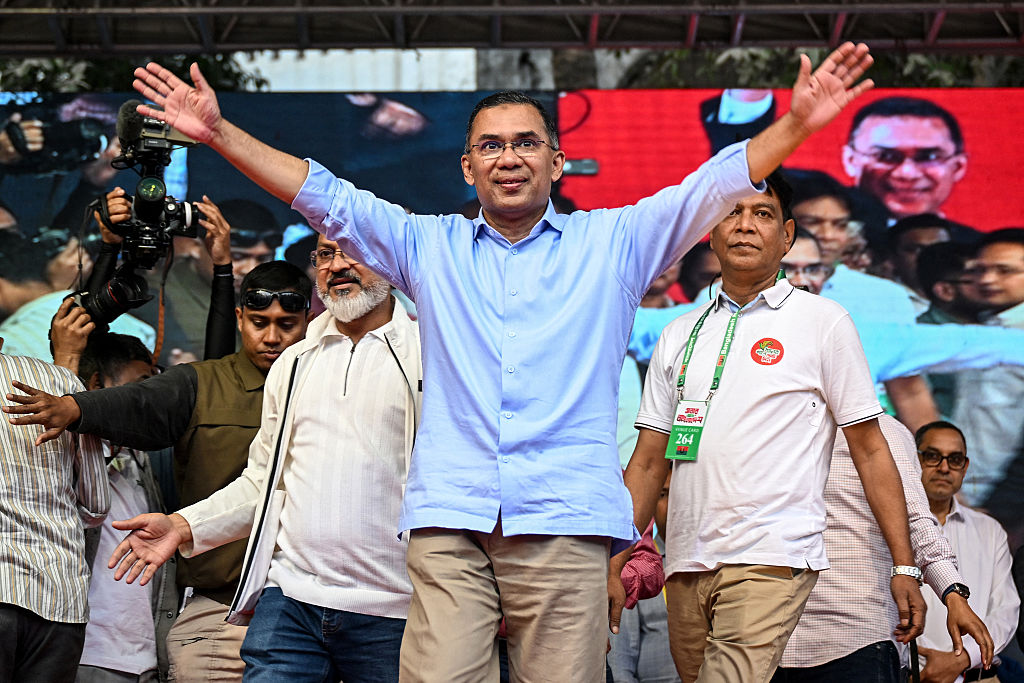
Following Bangladesh’s national elections last week, the new government, led by Prime Minister Tarique Rahman’s Bangladesh Nationalist Party (BNP), was sworn into power today. The elections – the first since nationwide student-led protests deposed the government of former prime minister Sheikh Hasina in August 2024 – are widely seen as a pivotal moment for human rights in Bangladesh. Since the country was founded in 1971, successive administrations have failed to respect the human rights obligations laid down in its constitution, with violations including enforced disappearances, extrajudicial executions, and repression of freedom of expression, peaceful assembly and association. commonplace.
Here, four young Bangladeshis, united in their hope that the new government will make a break with the past, share their expectations on what it must deliver.
Omar Faruk
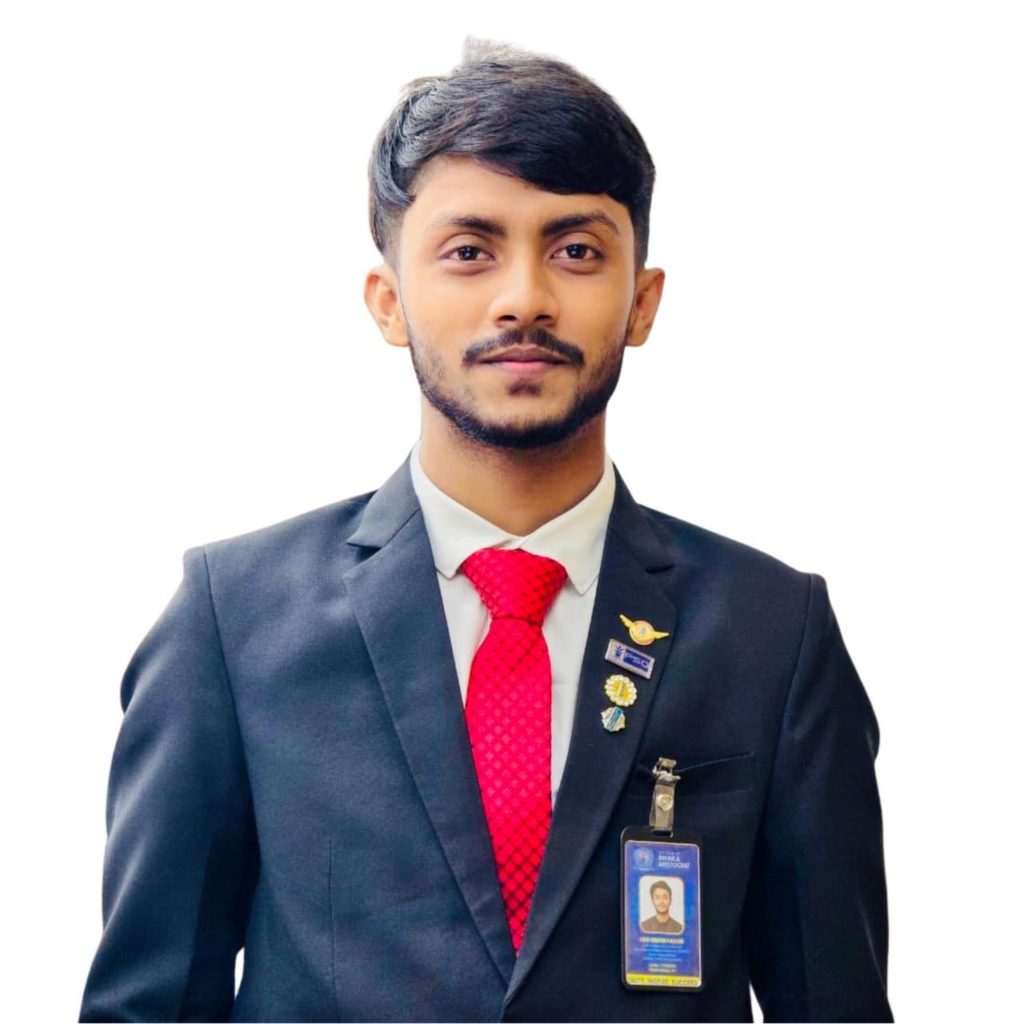
Omar Faruk, 21,works with a local organization to help mobilize and coordinate student volunteers for community-based initiatives. Alarmed by the effects that climate changeis already having on Bangladesh’s most marginalized communities, he wants the new government to prioritize action to deliver climate justice.
“Climate change is not only an environmental crisis; it is a profound human rights issue. Climate justice recognizes that the impacts of climate change are distributed unequally, and that those who have contributed the least to the problem are the ones who often suffer the worst effects. Women, so-called lower-caste communities, and marginalized groups face disproportionate risks due to systemic inequality.
In many societies, women are primarily responsible for water collection, food security, and household care. Climate-related disasters such as floods, droughts, and cyclones increase their workload, expose them to health risks, and limit their access to education and economic opportunities.
Marginalized communities often live in environmentally fragile areas with limited infrastructure and state support. When disasters strike, these communities face greater displacement, loss of livelihood, and barriers to recovery due to social exclusion.
Addressing climate change without considering gender and caste intersections risks reinforcing existing injustices. A just climate response must challenge social hierarchies while protecting the environment. Only through inclusive and rights-based approaches can climate justice contribute to long-term sustainability and human dignity and justice.”
Umma Sadia Prapty
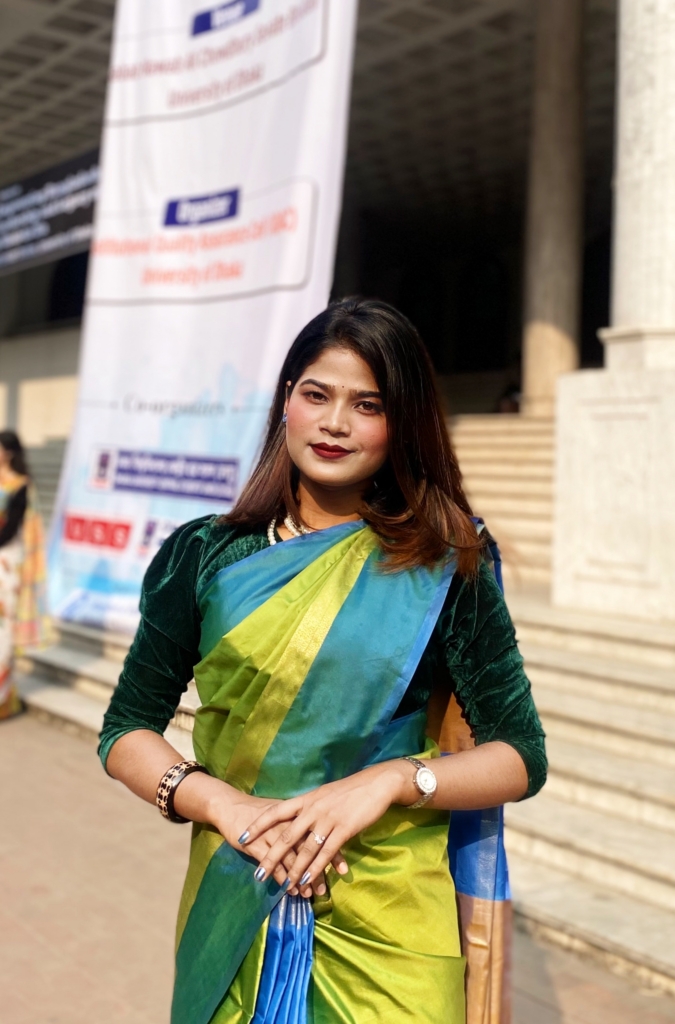
Umma Sadia Prapty, a 24-year-old from Shariatpur, is studying for a master’s degree in Applied Linguistics and English Language Teaching.Frustrated by the barriers that have prevented young people from fully participating in public discourse, she wants the new government to ensure that the rights to freedom of expression and association are protected.
“Governance becomes more effective and transparent when people can express their opinions and criticism openly about authorities. The right to share diverse perspectives and organize protests against injustice should be guaranteed. Misinformation, fear, and polarization can fill the vacuum left by stifled debate if these rights are denied.
The younger generation in Bangladesh is increasingly educated, globally connected, and politically aware, so these rights are particularly important for them. Young people use social media platforms to share their opinions, communicate with one another, and bring reforms in areas such as climate justice, economic rights, and democratic participation.
Yet, restrictive political laws and the lack of proper legal safeguards can discourage youth engagement or push activism underground.
Instead, we need laws that protect freedom of expression and association that allow people to enjoy their rights legally without fear of being targeted. Governance should be transparent and accountable to the people. The press should be allowed to publish news and events freely without being pressured by political actors. Youth participation in policymaking should be ensured by creating youth councils or civic forums. By strengthening these pillars of civic life, Bangladesh can build a democratic culture that nurtures good governance, empowers all people, and strengthens justice, accountability, and shared progress.”
[…]